Chicago Metropolitan Area stretches far beyond the city's iconic skyline, covering a sprawling network of suburbs, lakefront towns, and interstate corridors that serve millions of travelers annually. Whether you're arriving via O'Hare, exploring Indiana Dunes, or catching a concert near Burlington, the metro region offers hotel options across wildly different environments - each with its own transport logic and crowd dynamic. This guide cuts through the noise to help you choose the right design-forward hotel for your specific itinerary across the greater Chicago region.
What It's Like Staying in Chicago Metropolitan Area
The Chicago Metropolitan Area is one of North America's most functionally diverse travel zones, encompassing Chicago's urban core, Indiana's dune-lined lakeshore, and Wisconsin's small-town edge - all connected by a mix of interstates and Metra commuter rail lines. Traffic on I-90, I-94, and I-290 can add significant time to any suburban trip, especially during weekday rush hours, so hotel positioning relative to your destinations matters more than in a compact city. The region draws business travelers, convention groups, sports fans, and leisure visitors, meaning crowd intensity varies sharply by submarket - downtown Chicago buzzes year-round, while outer suburbs like Morris or Burlington see concentrated activity only during peak seasons or events.
Pros:
Direct interstate access from most suburban hotels reduces airport transfer friction significantly
Indiana Dunes and Chicagoland Speedway offer leisure anchors that justify suburban stays without entering the city
Extended-stay and suite-format properties in outer areas offer more space per dollar than comparable Chicago downtown rooms
Cons:
Public transit coverage thins sharply outside Chicago's city limits, making car rental nearly essential
Restaurant and nightlife options near suburban corridors are limited compared to city neighborhoods
Some outer-metro areas like Morris sit around 83 km from major airports, making late-night arrivals logistically challenging
Why Choose Design Hotels in Chicago Metropolitan Area
Design-forward hotels in the Chicago metro don't always mean boutique minimalism in River North - across the broader region, the category includes properties that prioritize functional intelligence: heated indoor pools, suite-style kitchens, curated breakfast programs, and business-ready infrastructure built for travelers who stay purposefully, not just incidentally. These hotels typically outperform standard budget options by offering meaningful amenities like hot tubs, fitness centers, and full kitchens without the premium markup of downtown Chicago properties, where comparable rooms can run around 60% higher per night. The trade-off is proximity - design-oriented suburban properties require a car for most activities, but that distance is precisely what delivers quieter nights and easier parking.
Pros:
Indoor pools and hot tubs are common across this category in the metro, rare at comparable price points in the city
Suite configurations with full kitchens make week-long stays genuinely cost-effective for extended business trips
Free parking is standard, eliminating the $40-$60 daily cost typical of Chicago urban hotels
Cons:
Design aesthetic in suburban properties skews functional over architectural - expect clean lines, not art installations
Walkability scores near many of these locations are low, requiring a vehicle for every meal or errand
On-site dining options are typically limited to breakfast service only, with no full restaurant on premises
Practical Booking & Area Strategy
Positioning yourself in the right submarket saves both money and transit time. Hillside and the O'Hare corridor are the strongest all-around bets for travelers who need city access without downtown prices - I-290 connects directly to the Loop in under 30 minutes off-peak, and O'Hare is under 10 minutes by car. For Indiana Dunes visitors, Porter is the obvious base: just off I-94, it puts the National Lakeshore, casino row, and the Lighthouse Place Premium Outlets within a short drive. Lansing sits on Chicago's southeast edge near Guaranteed Rate Field and the Ford Motor Company campus, making it a practical pick for south side business travelers or White Sox fans. For Wisconsin border travelers near Burlington, the Alpine Valley Music Theatre and East Troy Electric Railroad Museum anchor the leisure case, though you'll need to book well ahead of major concert weekends when availability drops sharply. Book at least 3 weeks ahead for summer stays near Indiana Dunes, as July and August fill quickly with both leisure visitors and regional event traffic.
Best Value Stays
These properties deliver strong utility-to-cost ratios across different Chicago metro submarkets, each anchored by a distinct location advantage and a set of amenities that justify the stay beyond just a bed for the night.
-
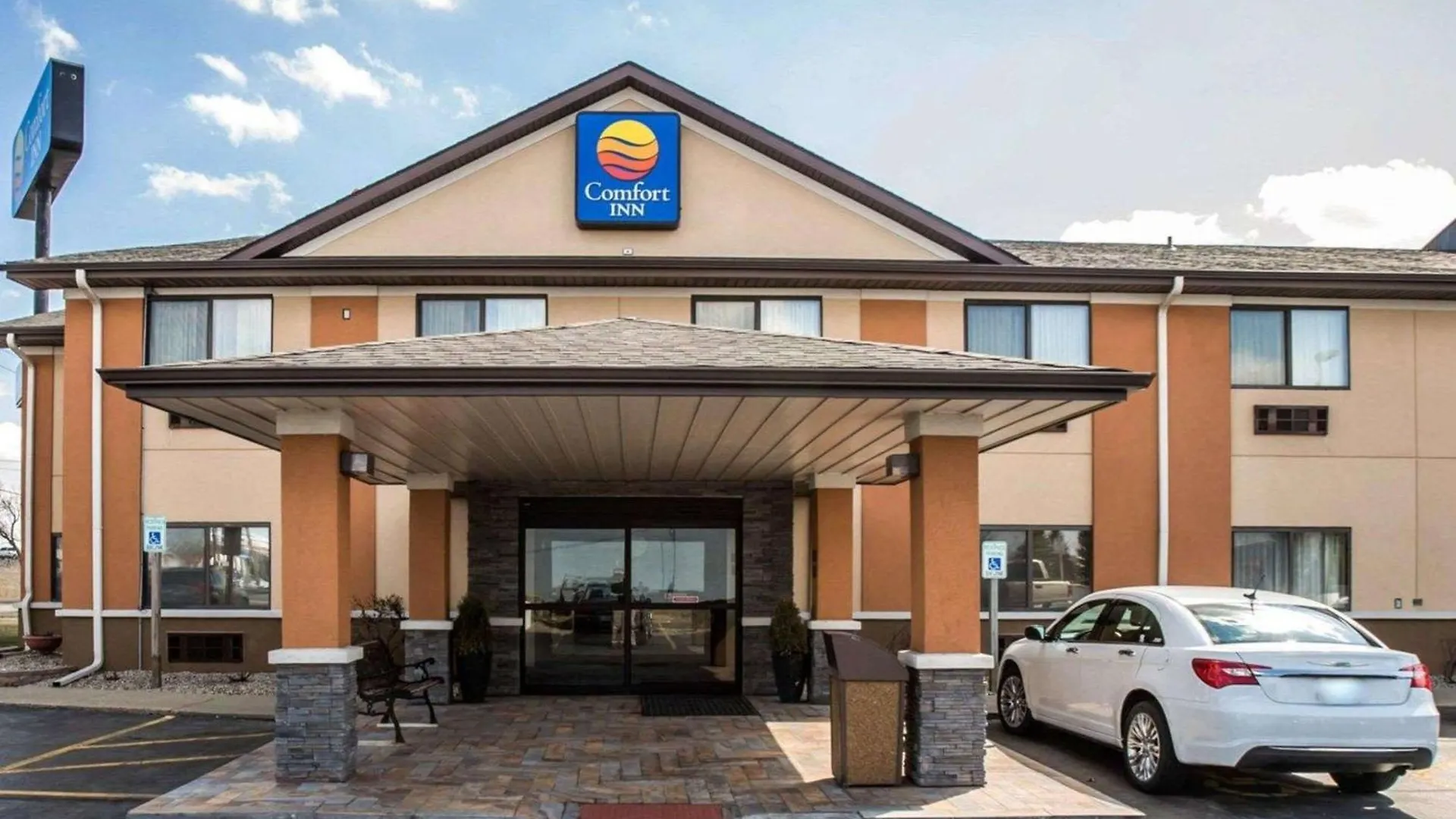
1. Comfort Inn Morris I-80
Show on map


 Check-infrom 15:00 until 23:59Check-outuntil 11:00
Just a few rooms left at the best rate!
fromUS$ 108
-
2. Comfort Inn & Suites Porter Near Indiana Dunes
Show on map


 Check-infrom 15:00 until 23:59Check-outuntil 11:00
Just a few rooms left at the best rate!
fromUS$ 96
-
3. Sonesta Simply Suites Lansing
Show on map


 Check-infrom 15:00 until 23:59Check-outuntil 11:00
Hurry – almost gone at this price!
fromUS$ 92
-
4. Americinn By Wyndham Burlington
Show on map


 Check-infrom 15:00 until 23:59Check-outuntil 11:00
Hurry – almost gone at this price!
fromUS$ 88
Best Premium Stay
For travelers who need O'Hare connectivity, city access, and leisure anchors in one location, this property delivers the strongest combination of infrastructure and amenities in the Chicago metro comparison.
-
5. Holiday Inn Express & Suites Chicago West-O'Hare Arpt Area
Show on map


 Check-infrom 15:00 until 23:59Check-outuntil 11:00
Rooms filling fast – secure the best rate!
fromUS$ 96
Smart Travel & Timing Advice
Summer (June through August) is the peak season across nearly every Chicago metro submarket simultaneously - Indiana Dunes National Lakeshore sees its highest foot traffic, Chicagoland Speedway events drive demand near Morris, and concert series at Alpine Valley fill Burlington-area hotels weeks in advance. Prices across the metro can spike around 45% during major event weekends, particularly for properties near I-94 in Indiana and the O'Hare corridor during large convention weeks at McCormick Place. September and October offer the best balance of mild weather, lower rates, and thinner crowds - especially for Dunes visits when the lake temperature is still reasonable but summer families have returned home. For extended stays in Lansing or the south suburbs, midweek corporate rates are typically the lowest available, often undercutting weekend leisure pricing by a meaningful margin. A minimum of 2 nights makes sense for any outer-metro property given the driving time investment; properties near O'Hare or Lansing can justify single-night stays for transit-focused itineraries. Booking 4 to 6 weeks ahead for July and August stays near Indiana is the practical minimum to secure your preferred suite type.