The Washington D.C. Area spans multiple states and dozens of distinct sub-markets, from Rockville in Maryland to Manassas in Virginia, each offering a different balance of price, proximity, and convenience. Budget hotels here are scattered across the metro region, meaning location strategy matters as much as room rate. This guide breaks down what to expect, where to stay, and which properties deliver the most value for your trip.
What It's Like Staying in the Washington D.C. Area
The Washington D.C. metro area functions as a sprawling multi-city region anchored by the District itself but extending deep into Virginia and Maryland suburbs. Most budget accommodations sit outside the city limits, in corridors like Rockville, College Park, Dumfries, Manassas, and Vienna, where rates drop significantly compared to Downtown D.C. Metro access varies sharply by location - some suburban hotels are within walking distance of a Metro station, while others require a car or ride-share for every trip into the city. Crowd patterns follow a government and tourism calendar: the National Mall is packed from late March through early September, while suburban commercial corridors stay consistently busy year-round with government contractors, military families, and university travelers.
Pros:
- Budget hotels in the D.C. suburbs can cost around 50% less per night than comparable rooms inside the District
- The D.C. Metro system and Interstate highway network make suburban locations accessible to major attractions
- The region's wide geographic spread gives travelers real flexibility to choose locations near specific bases, campuses, or agencies
Cons:
- Staying in outer suburbs like Dumfries or Manassas means around 45 to 60 minutes of drive time or transit to central D.C. landmarks
- Rush-hour traffic on I-95 and I-66 is consistently severe and adds unpredictable time to daily commutes into the city
- Many budget corridors outside D.C. are car-dependent with limited walkability, restaurants, or evening activity within walking distance
Why Choose Budget Hotels in the Washington D.C. Area
Budget hotels in the D.C. metro area tend to cluster along interstate corridors and near suburban transit hubs, offering significant savings for travelers who are willing to commute to the city center. Where a standard room in Downtown D.C. can easily exceed $250 per night, suburban budget properties in College Park or Rockville frequently come in under $100. Extended-stay formats dominate the mid-tier budget category in this market, particularly in Rockville and Tysons Corner, offering in-room kitchens that meaningfully cut food costs for stays longer than three nights. Trade-offs are real: rooms are functional rather than stylish, and properties in car-dependent zones offer minimal walkability after dark.
Pros:
- In-room kitchens and grab-and-go breakfasts available at several properties, reducing daily meal expenses considerably
- Free parking is standard across most suburban budget hotels, a major cost advantage over paying $40+ per night in city garages
- Family rooms and accessible facilities are widely available, making these hotels practical for non-solo travelers
Cons:
- Budget hotels in this region often sit near highway interchanges, which affects ambient noise and neighborhood atmosphere
- On-site dining is rare - most properties rely entirely on nearby fast food or chain restaurants within driving distance
- Lobby amenities like pools and business centers are limited at the lowest price tiers, with seasonal or partial availability common
Practical Booking & Area Strategy
If your primary goal is visiting central D.C. attractions - the National Mall, the Smithsonian museums, or Capitol Hill - College Park is one of the strongest suburban bases, sitting directly on the Metro Green Line with train service running into the city in under 30 minutes. Rockville works well for travelers with Maryland-side business or appointments near the NIH or government agencies in Montgomery County. For visitors tied to Quantico or Fort Belvoir, Dumfries is the logical choice, even though it sits roughly 50 kilometers south of central D.C. Manassas and Tysons Corner appeal most to road-trip travelers or those with specific western Virginia itineraries, including Manassas National Battlefield Park and proximity to Shenandoah day trips. Booking at least 3 weeks ahead during the Cherry Blossom Festival window (late March to mid-April) is essential, as suburban budget hotels absorb significant overflow demand from the city during this period.
Best Value Stays
These properties offer the lowest entry price points in the D.C. metro budget category, with locations that balance highway access, free parking, and essential amenities for short or extended stays.
-
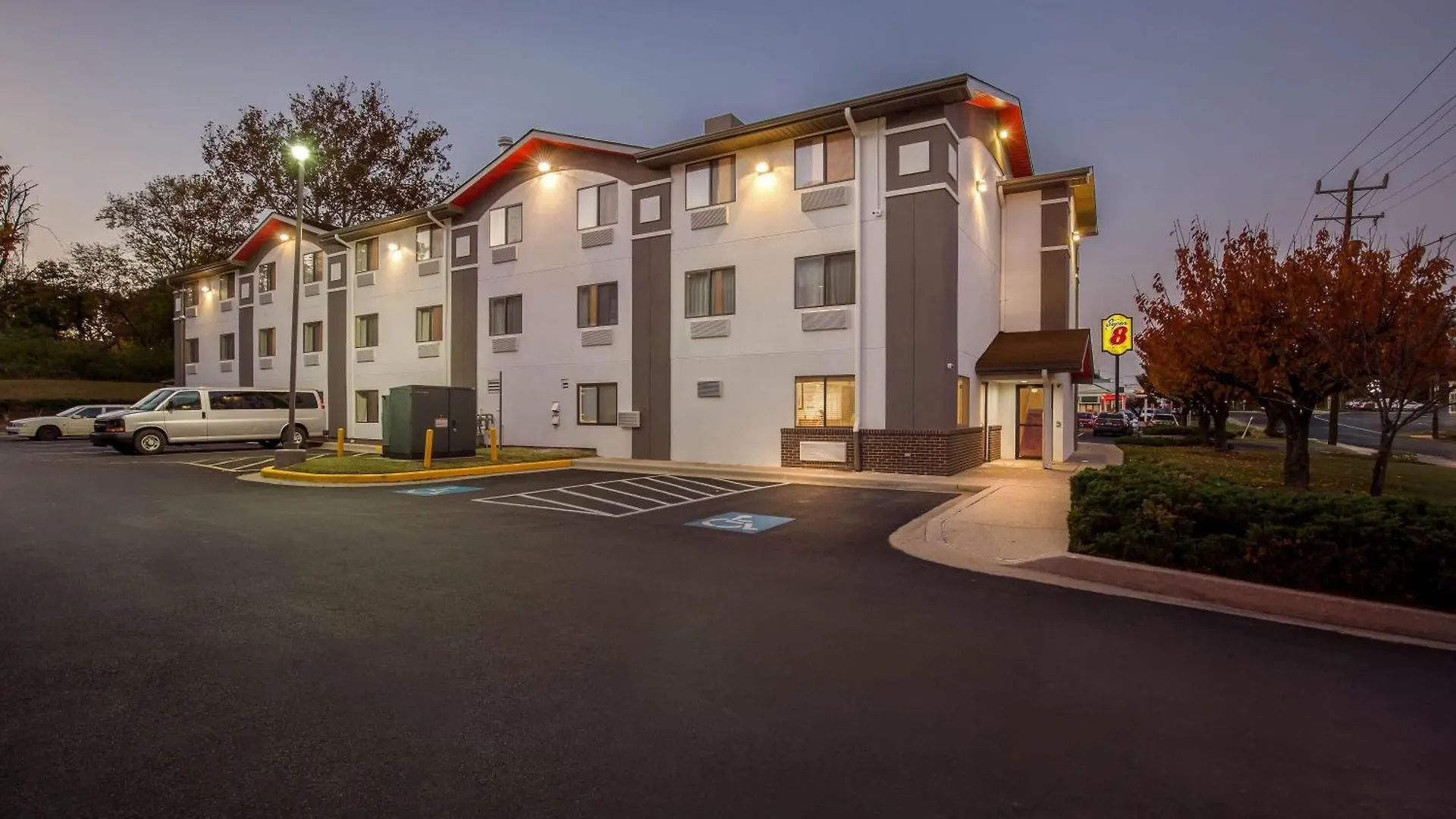
1. Super 8 By Wyndham College Park Wash Dc Area
Show on map


 Check-infrom 15:00 until 23:59Check-outuntil 11:00
Just a few rooms left at the best rate!
fromUS$ 70
-
2. Super 8 By Wyndham Manassas
Show on map


 Check-infrom 14:00 until 23:59Check-outuntil 11:00
Just a few rooms left at the best rate!
fromUS$ 60
-
3. Days Inn By Wyndham Dumfries Quantico
Show on map


 Check-infrom 15:00 until 23:30Check-outuntil 11:00
Hurry – almost gone at this price!
fromUS$ 70
Best Premium Budget Options
These properties add meaningful amenities - in-room kitchens, outdoor pools, or extended-stay infrastructure - that justify a modest price step up for travelers staying multiple nights or needing more self-sufficient accommodations.
-
4. Extended Stay America Suites - Washington, Dc - Rockville
Show on map


 Check-infrom 15:00 until 23:59Check-outuntil 11:00
Hurry – almost gone at this price!
fromUS$ 133
-
5. Suburban Studios Tysons Corner
Show on map


 Check-infrom 15:00 until 23:59Check-outuntil 11:00
Rooms filling fast – secure the best rate!
fromUS$ 66
Smart Travel & Timing Advice
The Washington D.C. Area experiences its most intense demand between late March and mid-April during the National Cherry Blossom Festival, when even suburban budget hotels can see rates climb significantly and availability shrinks weeks in advance. Book at least 4 weeks ahead for any spring travel in this window. Summer (June through August) stays busy due to family tourism and school groups visiting the Smithsonian and National Mall, keeping suburban rates elevated. The quietest and most affordable window is typically mid-January through early March, when post-holiday demand drops and business travel slows. A stay of 3 to 4 nights is typically the minimum to make a suburban base worthwhile logistically - shorter stays may not justify the daily commute overhead into central D.C. For extended-stay formats like the Rockville property, weekly rates unlock meaningfully lower per-night costs compared to booking individual nights. Last-minute deals are rare in this market during peak season but can appear in off-peak weekdays, particularly at highway-corridor motels in Manassas and Dumfries.